
Profitable AI Micro-SaaS Ideas in 2026: Stop Building ChatGPT Wrappers

Profitable AI Micro-SaaS Ideas in 2026: Stop Building ChatGPT Wrappers
You’ve got an idea for yet another AI LinkedIn post generator. You’re ready to spend a month building a slick UI around the OpenAI API. Stop right there.
The 2026 market is ruthless to generic solutions. What worked in 2023 won’t bring you even $100 MRR today. The days of cheap hype are over, and users have learned to distinguish real value from a basic LLM prompt. But there’s good news: the barrier to entry for B2B infrastructure has dropped to an all-time low. Indie hackers who know how to solve specific pains for narrow audiences are currently building micro-SaaS businesses with $99-299/mo checks per user.
Let’s break down how the market has shifted, why "Vertical SaaS" is your only chance, and exactly which niches will print real money in 2026.
Why 2026 is the Perfect Storm for Indie Hackers
We are living in a unique era. The cost of building software is trending toward zero. GPT-4-turbo, Claude 3.5, and their open-source cousins cost pennies compared to previous years. You no longer need to raise a $50k seed round to add "AI magic" to your product or hire expensive Data Science engineers.
No-code and low-code tools have finally graduated from toy status. Platforms like Supabase, Make, FlutterFlow, and Bubble allow a single developer to handle auth, databases, complex backend workflows, and hosting. What used to take a team of four seniors can now be shipped by one indie hacker over a long weekend.
But the biggest shift is in the buyers’ mindset. The corporate layoffs of recent years spawned an army of freelancers, micro-agencies, and solopreneurs. They will gladly pay $19-99 a month for a hyper-specialized tool that saves them even just one hour a week. At the same time, SMBs (Small and Medium Businesses) have also realized the power of automation. The "sweet spot" for micro-SaaS ($5k to $50k MRR with a 1-2 person team) is wider than ever in history.
Thesis 1: The Shift to Micro-Niches
Generic AI tools are choked by competition. If your product is described as an "AI assistant for marketers"—you’re dead on arrival. Users are exhausted by "Swiss Army knives" that promise to do everything but actually do everything equally poorly.
Successful indie hackers in 2026 solve hyper-specific pains for hyper-narrow audiences. This is Vertical SaaS. The narrower the niche, the easier it is to monopolize it and dictate your pricing.
Imagine a dev building a CRM. Nobody needs a generic CRM (giants like Salesforce, HubSpot, and Pipedrive rule that space). But what if they build "Notion for Locksmiths"? Featuring dispatching, a key code directory, parts tracking, and automated invoice routing to property management companies. In North America alone, there are tens of thousands of these local businesses. They’ll swipe their card for $49/mo without blinking because the tool maps perfectly to their workflows and speaks their language.
Or take SMB compliance automation. The EU is enforcing strict reporting rules (like CSRD). A micro-SaaS that pulls data from Shopify via API, analyzes supply chains, and generates a ready-to-file PDF eco-report for $0.10 per SKU/month is boring, complex, but incredibly lucrative. Nobody wants to build boring products about compliance or taxes. That’s exactly where the most stable money is buried.
Thesis 2: AI as the Core, Not a PR Feature
We are completely past the "SaaS with AI sprinkled on top" phase (where a "Generate text with AI" button was shoved in just for a flashy launch). We are now in the era of "AI-native SaaS."
AI is no longer just a dumb assistant on the sidebar; it’s the core business logic. We’re talking about using AI to automate complex, multi-step workflows that previously required a human in the loop.
Say you’re building a restaurant inventory management SaaS. In 2023, AI might have "suggested" recipes based on leftovers. In 2026, an AI-native SaaS analyzes historical sales data, factors in the weekly weather forecast, scrapes the local events calendar, and spits out a precise prediction: "Order 15kg more salmon for Friday night, 80% probability of a banquet." Even better—it automatically drafts the PO and sends it to the supplier.
Integrating agentic workflows and complex machine learning pipelines allows solo founders to build enterprise-grade products. You aren’t selling "software" anymore—you are selling a "digital employee" who doesn’t sleep, doesn’t ask for a raise, doesn’t take PTO, and (mostly) doesn’t make mistakes.
Pro tip: When designing the architecture of your next product, think about how AI can reduce the number of clicks to value down to zero. The perfect 2026 SaaS has minimal interface and maximum magic under the hood. If you want a steady stream of these insights and tactics from real founders, join IndieRadar—we send you the signal, no noise, for free.
Thesis 3: The Shift in Monetization and Launch Strategy
Complex pricing tiers with confusing feature limits are obsolete. Users are tired of decoding what’s in the "Pro" plan versus "Enterprise." You need maximum transparency at launch: a freemium tier for onboarding (so the user feels the magic) + one clear paid tier with no artificial bottlenecks.
Users hate counting tokens, credits, and generation minutes. Set a flat $39/mo for unlimited usage (with a fair use policy enforced silently on the backend) and watch your conversion rates soar. People are willing to pay a premium for predictability.
As for distribution (Go-to-Market), launching on Product Hunt is no longer the holy grail. It’ll give you a traffic spike, but mostly from other indie hackers who just want to inspect your stack and maybe clone your idea. You need real, paying customers.
The 2026 distribution playbook is launching in dark communities. Go to Reddit (find specific subreddits like r/podcasting, r/landscaping, r/weddingplanning), private Facebook groups, niche Discord servers, and professional Telegram chats.
And most importantly—early validation. Never, ever write a line of code before talking to real potential customers. The golden rule: "If they aren’t ready to pay now, put down a deposit, or hand over their credit card—we don’t build it." Spin up a Carrd or Webflow landing page, drop a Stripe payment link for a pre-sale (e.g., 50% off a lifetime deal). If you don’t get 5 real sales in a week—ruthlessly kill the idea and move on.
Top 5 High-Value Niches for Indie Hackers in 2026
Here are five areas where there is money, acute user pain, and low competition from slow-moving giants right now.
1. AI Clipping for Niche Podcasters
Podcasters spend a fortune (or their weekends) chopping long episodes into short clips for TikTok, Shorts, and Reels. Existing tools like Opus Clip are great, but too generic.
The Idea: A clipping tool tailored strictly for a specific podcast format (e.g., true crime or B2B interviews). AI automatically extracts the best hooks, overlays subtitles in the exact style popular in that niche, and most importantly—handles automated Guest Tagging. Audience: Indie podcasters with 5k to 50k downloads. Monetization: $29/mo for 5 hours of source audio.
2. AI Legal Reader for B2C
People sign 30-page lease agreements or loan terms without ever reading the fine print.
The Idea: You upload a PDF of a Lease Agreement. The AI instantly flags illegal clauses (cross-referencing specific state/country laws), calculates the real move-in cost (deposit + hidden junk fees), and drafts a polite email to the landlord requesting the removal of predatory terms. Audience: Millennials and Gen Z in major hubs who move frequently. Monetization: Freemium (1 doc free), then $9 per doc or a subscription. Plus massive potential for affiliate revenue (renters insurance, moving companies).
3. Micro-Wedding Coordinator CRM
The "micro-wedding" industry (under 50 guests) is booming. Coordinators juggle dozens of Excel sheets trying to herd florists, caterers, and photographers.
The Idea: A hyper-niche CRM with workflow automation. Vendor calendar syncing, automated reminder blasts (e.g., "30 days out, confirm final menu"), and referral commission tracking. Audience: Thousands of independent wedding planners and day-of coordinators. Monetization: $29/mo per coordinator account + $5/mo for every connected vendor.
4. Voice-to-SOAP Notes for Therapists (HIPAA-compliant)
Therapists despise paperwork. They burn up to an hour every evening transcribing session notes into formal medical records (SOAP format).
The Idea: A secure app where the therapist dictates a 30-second voice memo right after the session. AI automatically structures it into a clinical SOAP note, ready for EHR export. The killer feature: audio is never stored on the server, solving privacy and HIPAA compliance natively. Audience: 400k+ licensed therapists in the US alone. Monetization: $59/mo for solo practitioners.
5. SaaS Subscription Audit for Fractional CFOs
Remote teams bleed thousands of dollars on forgotten subscriptions (zombie Zoom accounts, dead Notion seats, redundant tools). Fractional CFOs manually hunt these down in bank statements.
The Idea: A tool that connects to the company bank account via Plaid, analyzes transactions, flags duplicate SaaS tools, calculates "zombie seat" waste, and generates a savings report. Advanced feature: one-click trial cancellations via virtual card issuing. Audience: Startups under 50 employees and their outsourced CFOs. Monetization: $99/mo. An easy sell, since the tool saves the business an average of $1,200/mo in bloated software spend.
How to Take Action Right Now: Your Weekend Plan
Stop reading lists of ideas. Pick one narrow niche from the list above (or find your own, but keep it strictly Vertical SaaS).
Here is your step-by-step playbook:
- Send 20 cold emails (or social DMs) to potential clients with a simple question: "Are you struggling with X? I’m building a solution and will give you 6 months free in exchange for a 15-minute call."
- If you get 3-5 "yes" replies—build the landing page.
- Collect pre-orders. Goal: get at least 5 payments at a 50% "early bird" discount.
- If the money hits the bank—build the MVP with no-code (Supabase + Bubble + OpenAI). If nobody pays—refund whatever you got, kill the idea, and move to the next one.
Build small, but build for specific people. Solve boring problems that pay real money.
FAQ
Do I need to know how to code to launch an AI Micro-SaaS in 2026? No. Tools like Bubble, FlutterFlow, or Fuzen let you ship a working MVP without writing a single line of code. Hire a dev when you hit a stable $2k MRR.
How much traffic do I need for $5k MRR? At a $50 ARPU, you only need 100 customers. At a 2% conversion rate, that’s 5,000 targeted visitors to your landing page. You can easily pull that off with one or two viral posts in the right niche subreddit.
Should I raise VC money to start? Micro-SaaS is a bootstrapper's paradise. VCs want billion-dollar unicorns and demand hyper-growth at all costs. You want financial freedom and profit. Keep 100% of your equity for as long as possible.
How do I find my first beta testers? Go where your audience already hangs out. Don’t post on Twitter (X) if you’re building a product for dentists—they aren’t there. Go to dental forums, specialized Facebook groups, or cold call/email leads from Google Maps.
When is it time to hire customer support? When answering support tickets eats up more than 30% of your workweek, or when you start sleeping less than 6 hours a night because of bugs.
Ready to Launch?
Idea validation is the difference between an epic, profitable launch and wasting six months writing code nobody wants. We break down ruthless tactics and real indie hacker case studies just like this every single day. Join 10,000+ readers at IndieRadar—it’s free, all signal, no noise.
More in SaaS Tactics Series
Don't miss these related deep dives.
![The TikTok Method: How to Find Viral App Ideas Every Day [2026 Guide]](/_next/image?url=https%3A%2F%2Fvspskxbwtvwkwolfsiil.supabase.co%2Fstorage%2Fv1%2Fobject%2Fpublic%2Fposts_cover_images%2FTwitter%2520post%2520-%252026.png&w=3840&q=75)
The TikTok Method: How to Find Viral App Ideas Every Day [2026 Guide]
Stop overthinking app ideas. Use TikTok trends, search insights, and competitor analysis to find validated ideas daily.
![How to Build an AI Micro-SaaS for "Meeting Fatigue" in 2026 [Playbook]](/_next/image?url=https%3A%2F%2Fimages.unsplash.com%2Fphoto-1517048676732-d65bc937f952%3Fw%3D1200%26h%3D630%26fit%3Dcrop&w=3840&q=75)
How to Build an AI Micro-SaaS for "Meeting Fatigue" in 2026 [Playbook]
Synchronous meetings are killing productivity. Here is the exact blueprint to build, launch, and scale an AI micro-SaaS that cures meeting fatigue for remote teams.
![How to Secure AI Generated Code: 5-Step Playbook for Solo Devs [2026]](/_next/image?url=https%3A%2F%2Fimages.unsplash.com%2Fphoto-1526374965328-7f61d4dc18c5%3Fw%3D1200%26h%3D630%26fit%3Dcrop&w=3840&q=75)
How to Secure AI Generated Code: 5-Step Playbook for Solo Devs [2026]
AI coding agents help you ship faster, but they also write vulnerable code. Here is the exact 5-step playbook to secure AI generated code before you launch.

If I Had to Start a SaaS From Scratch in 2026: A Blueprint for Indie Hackers
The exact 6-step game plan to start a SaaS from zero in 2026. Stop building first. Start with the audience, build a 7-day MVP, and launch small.
![The Multi-Product Playbook: How to Build a Portfolio of Apps That Print Money [2026 Guide]](/_next/image?url=https%3A%2F%2Fvspskxbwtvwkwolfsiil.supabase.co%2Fstorage%2Fv1%2Fobject%2Fpublic%2Fposts_cover_images%2FTwitter%2520post%2520-%252031.png&w=3840&q=75)
The Multi-Product Playbook: How to Build a Portfolio of Apps That Print Money [2026 Guide]
Stop betting everything on one app. Here's the step-by-step playbook for building a portfolio of small software products that cross-sell and compound.
![GEO for SaaS: The 5-Minute Playbook to Get AI to Recommend Your Product [2026 Guide]](/_next/image?url=https%3A%2F%2Fvspskxbwtvwkwolfsiil.supabase.co%2Fstorage%2Fv1%2Fobject%2Fpublic%2Fposts_cover_images%2FTwitter%2520post%2520-%252023.png&w=3840&q=75)
GEO for SaaS: The 5-Minute Playbook to Get AI to Recommend Your Product [2026 Guide]
Learn how to optimize your SaaS for ChatGPT, Perplexity, and Claude in under 5 minutes. Copy-paste code included.
![Open Source Marketing Playbook for Indie Hackers [2026 Guide]](/_next/image?url=https%3A%2F%2Fvspskxbwtvwkwolfsiil.supabase.co%2Fstorage%2Fv1%2Fobject%2Fpublic%2Fposts_cover_images%2FTwitter%2520post%2520-%252018.png&w=3840&q=75)
Open Source Marketing Playbook for Indie Hackers [2026 Guide]
Open source is the best free marketing channel for bootstrapped founders in 2026. Here's the full playbook to turn GitHub into a growth engine.
![The 2-Hour Daily Routine That Beats Building More Features [2026 Indie Hacker Playbook]](/_next/image?url=https%3A%2F%2Fvspskxbwtvwkwolfsiil.supabase.co%2Fstorage%2Fv1%2Fobject%2Fpublic%2Fposts_cover_images%2FTwitter%2520post%2520-%252017v2.png&w=3840&q=75)
The 2-Hour Daily Routine That Beats Building More Features [2026 Indie Hacker Playbook]
Stop hiding behind code. Here's the exact 2-hour daily routine that scales SaaS faster than any feature ever will.
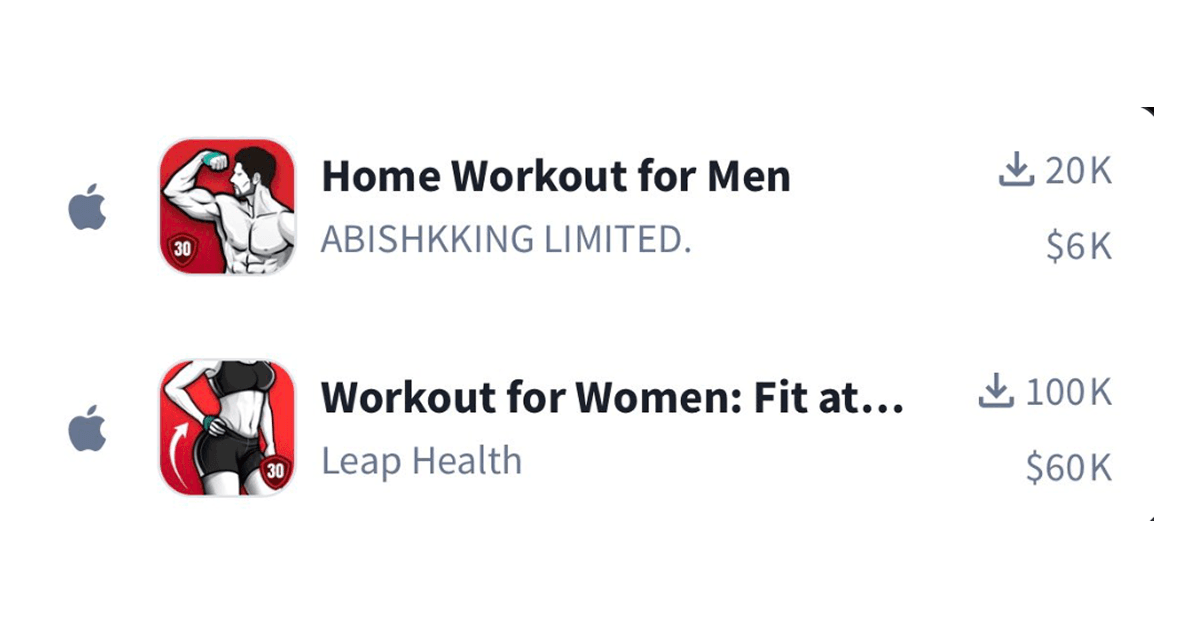
The "Pink" Strategy: Why Building Apps for Women is the Cheat Code of 2026
Men want free tools. Women pay for value. Here's the data-backed strategy indie hackers are using to 10x revenue by pivoting from "generic" to "female-focused."
![Why Every Successful App Has a Mascot Now [2026 Guide to Character-Driven Design]](/_next/image?url=https%3A%2F%2Fimages.unsplash.com%2Fphoto-1551651653-c5186a1fbba2%3Fw%3D1200%26h%3D630%26fit%3Dcrop&w=3840&q=75)
Why Every Successful App Has a Mascot Now [2026 Guide to Character-Driven Design]
Mascots are taking over top-grossing apps. Here's why character-driven design converts better and how to add one to your product.
IndieRadar Team
Daily newsletter for indie hackers. We analyze 10,000+ tweets and deliver the signal.
Read Next
The Multi-Product Playbook: How to Build a Portfolio of Apps That Print Money [2026 Guide]
Stop betting everything on one app. Here's the step-by-step playbook for building a portfolio of small software products that cross-sell and compound.
Read articleIf I Had to Start a SaaS From Scratch in 2026: A Blueprint for Indie Hackers
The exact 6-step game plan to start a SaaS from zero in 2026. Stop building first. Start with the audience, build a 7-day MVP, and launch small.
Read articleHow to Secure AI Generated Code: 5-Step Playbook for Solo Devs [2026]
AI coding agents help you ship faster, but they also write vulnerable code. Here is the exact 5-step playbook to secure AI generated code before you launch.
Read article