
If I Had to Start a SaaS From Scratch in 2026: A Blueprint for Indie Hackers

If I Had to Start a SaaS From Scratch in 2026: A Blueprint for Indie Hackers
2026 is different. There is more SaaS than ever before. There is more noise. There are more founders building the exact same tools using the exact same playbooks.
So, what would you do if you had to start from absolute zero again? No product, no email list, no personal brand, and no audience to leverage.
This is the exact game plan I would follow today. It is the strategy I desperately wish I knew when I launched my first product. If you are building this year, following this blueprint could literally save you six months of wasted time, burnt cash, and endless frustration.
Here is how you start a SaaS from scratch in 2026.
TL;DR (The 2026 Startup Blueprint)
- Find users before you build: The old way is dead. Start with the audience.
- Solve one problem, really well: Do not build a Swiss Army knife.
- Build tiny, launch fast: Your MVP should take 7 days, max.
- Document everything in public: People follow stories, not startups.
- Use simple tools to stay lean: No-code and AI are your best friends.
- Let automation work while you rest: Build a micro-funnel that sells while you sleep.
Step 1: Start With the Audience, Not the Product
The biggest mistake founders make is getting hit with a "brilliant" idea in the shower, spending three months locked in a basement coding it, and then emerging to ask: "Okay, how do I find users for this?"
That is the old way.
The 2026 way reverses the formula: Find users → Talk to them → Build for their pain.
If I had to start over, I wouldn't write a single line of code until I spent at least two weeks doing nothing but talking to people. But where do you find them?
The Goldmine Channels
You don't need a massive marketing budget to find your target audience. They are already congregating and complaining online. I would spend hours every day lurking in these specific channels:
- Indie Hackers: The community is still thriving. Look at the "Ask IH" section. What are founders struggling with? What tools do they hate paying for?
- Twitter/X: Use advanced search. Look for phrases like "I hate how [Tool Name]..." or "Is there a tool that just does [X]?"
- Reddit (Niche Subreddits): This is the holy grail. Do not look in r/startups. Look in r/freelance, r/copywriting, r/plumbing. Find the pinned threads where people complain about their daily workflows.
- Discord and Slack Groups: Join private communities. Don't spam your links. Just read the "#help" or "#general" channels.
- YouTube Comment Sections: Find tutorials for complex software (like Salesforce or Jira) and read the comments. People will literally spell out what features are missing or too hard to use.
The Magic Question
Once I identified a group of people complaining about a specific workflow, I would reach out to them via DM. I wouldn't pitch anything. I would just ask two questions:
"What do you currently use to solve [Problem]? And what's the biggest thing missing from it?"
That's it. That is the goldmine. When you get 10 people giving you the exact same answer, you have validated your SaaS idea without writing a single line of code.
Step 2: Solve One Pain. Not Many.
In the past, I tried to build all the features people asked for. I thought that if I added a calendar, a to-do list, and a CRM into one app, it would be irresistible.
Massive mistake.
When you try to do everything, you end up doing nothing well. Your messaging becomes confusing, your codebase becomes a nightmare to maintain, and you compete with giant incumbents who have 500 engineers.
If I were starting now, I would relentlessly focus on a single question: "What job are people hiring this software for?"
The Power of the Single Feature
Can I solve that job with one core feature? If the answer is no, the idea is too broad for a solo founder starting from scratch.
The best SaaS in 2026 doesn’t do everything — it does one thing brilliantly. It is a surgical strike against a specific pain point.
Let's look at some examples of tight, focused niches that allow for fast traction:
- Creators trying to monetize faster: They don't need a full website builder. They need a single link-in-bio tool that instantly captures emails and processes one-click payments.
- Remote teams struggling with async work: They don't need another Slack clone. They need a tool that automatically summarizes Zoom calls into bullet points and assigns Jira tickets.
- Freelancers tired of admin tasks: They don't need a massive accounting suite like QuickBooks. They need a tool that simply auto-generated a PDF invoice from a Slack message.
A small market means fast traction. You can speak directly to their specific pain, and they will feel like the software was built custom for them.
Want more tactics like this? Join 10,000+ indie hackers getting our daily digest → [Subscribe to IndieRadar below]
Step 3: Build a Simple MVP in 7 Days
Perfectionism is the enemy of the indie hacker. You do not need a full dashboard, a custom authentication system, and a deeply integrated Stripe billing portal on day one.
If you are spending more than 7 days on your Minimum Viable Product, you are building too much.
The 7-Day No-Code Stack
If I were starting today, I would leverage the incredible ecosystem of no-code and low-code tools to get a prototype into the hands of users immediately. Here is the exact stack I would use to validate the product:
- Feedback and Intake: I would use Tally or Typeform. They look beautiful out of the box and can handle complex logic if needed.
- Landing Page: Forget building a custom React site. I would use Framer (if it needs to look highly polished and animated) or Carrd (if I just need a simple, high-converting one-pager).
- The Core App (No-Code MVP): If the app requires data manipulation, I would use Notion (using it as a shared database for clients) or Glide to turn a spreadsheet into a functional web app in an afternoon.
- Payments: I would not write custom Stripe API webhook handlers. I would use simple Stripe Checkout links or Lemon Squeezy to handle everything, including tax compliance, instantly.
The goal at this stage is proof, not perfection. You are trying to prove that someone will swipe their credit card to solve the pain you identified in Step 1.
Step 4: Share Everything (Build in Public)
In the old days, companies operated in stealth mode. They hid their ideas for fear of being copied. In 2026, obscurity is a much bigger threat than competition.
I would start posting from Day 1. Not "after launch." Not "when the logo is perfect." Day 1.
Why Building in Public Works
People follow stories, not startups. They want to see the struggle, the decisions, the wins, and the brutal losses. By sharing your journey, you build an audience that feels invested in your success. When you finally ask them to buy, they aren't cold leads; they are fans.
What to Actually Post
Stuck on what to share? Here is a simple framework:
- The Pain Point: Talk about the specific problem you discovered in Step 1. Agitate it. Show why the current solutions suck.
- Progress Updates: Share what you coded or built today. Even if it's just connecting a Zapier workflow.
- Polls: Ask your growing audience for feedback. "Should the button be green or blue?" "Should we charge $9 or $19?" People love giving their opinions.
- Screenshots: Post rough UI mockups. Let people tell you it's ugly.
- Wins and Losses: Did Stripe reject your account? Post it. Did you get your first $10? Post it. Vulnerability builds trust.
Where to Post
Don't spread yourself too thin, but make sure you are visible where founders and your target audience hang out:
- X/Twitter: Still the king for the build-in-public community.
- Indie Hackers: Post milestones and long-form technical breakdowns.
- Reddit: Share your journey in entrepreneur subreddits (make sure to follow self-promotion rules).
- LinkedIn: Yes, it works! The organic reach on LinkedIn for authentic, story-driven founder content is massive right now.
Step 5: Use a Micro Funnel (That Works on Autopilot)
You cannot be online 24/7. You need a system that captures attention and converts it into interest while you sleep. You don't need a complex HubSpot setup. You need a micro funnel.
Here is exactly what I would set up:
1. The Landing Page Promise
Your Framer or Carrd landing page needs one clear promise above the fold. Not "The premier synergy platform for enterprise." It should say: "Stop wasting 5 hours a week on [Task]. Let our tool do it in 5 seconds." Beneath that: an email capture form.
2. The Automated Email Sequence
Once they give you their email, they enter an automated sequence. Do not overcomplicate this.
- Email 1: The Welcome. Deliver exactly what you promised. Thank them for joining the journey.
- Email 2: Free Value. Send them a template, a free tool, or a highly tactical piece of advice related to their pain point. Prove you are an expert.
- Email 3: The Call to Action (CTA). Ask them to try the MVP, or better yet, invite them to book a 15-minute onboarding call with you directly.
3. The Email Tools
I would use MailerLite, ConvertKit, or Beehiiv. They all have generous free tiers and make setting up simple automations incredibly easy.
This micro funnel acts as your tireless 24/7 sales rep.
Step 6: Launch Small, Learn Fast
The concept of a "Big Launch" is a trap. Founders spend months preparing for a single Product Hunt launch, hoping it will make them rich overnight. Usually, it results in a small spike of traffic and then crickets.
I wouldn't wait for a big launch. I would launch small, messy, and often.
The Continuous Launch Strategy
Your launch is not a singular event. It is a continuous process of putting your product in front of small groups of people. I would launch repeatedly across these channels:
- X/Twitter: "Just added feature X, looking for 5 beta testers."
- Indie Hackers: "We hit $100 MRR, here is the exact landing page that converted them."
- Subreddits: "I built a tool to solve [Niche Problem]. Free for the first 10 people from this sub."
- DM Outreach: Going back to the people I talked to in Step 1.
- Founder Communities: Sharing the product in private Slack/Discord groups.
What to Ask For
When you launch small, you aren't just asking for money. You are asking for:
- Feedback: What is broken?
- Critique: Why wouldn't you pay for this?
- Early Adopters: Who wants to help shape the roadmap?
- Testimonials: If they love it, get a quote for the landing page.
Every single micro-launch teaches you something new about your messaging, your pricing, and your product. Every user counts. Remember: You don’t need 1,000 users right away. You just need 10 who absolutely love what you built.
The 2026 Solo Founder Tool Stack
You do not need a massive team to pull this off. You just need the right tools. If I were building a SaaS today, this would be my exact stack (heavily leveraging No-Code and AI):
- Framer: For high-converting, beautiful landing pages.
- Tally: For forms, onboarding flows, and user feedback.
- Loom: For recording quick async demo videos and personalized sales pitches.
- Canva: For all social media graphics and Open Graph images.
- ChatGPT: For brainstorming copy, writing cold outreach emails, and drafting content.
- Beehiiv: For managing the email list and sending the newsletter.
- Fathom: For privacy-friendly, simple website analytics without the bloat of Google Analytics.
- Zapier: The glue that connects everything together. Automating data transfer between Tally, Beehiiv, and your database.
That is the power of 2026. One founder. 10 tools. Zero team.
Final Thoughts
If I had to start a SaaS in 2026, my entire philosophy would shift.
I wouldn’t build more; I’d validate faster. I wouldn’t launch once; I’d launch constantly. I wouldn’t chase flashy AI trends; I’d solve boring, real-world pains.
Because the ultimate truth of indie hacking hasn't changed: The best growth strategy is to care more than the competition.
If you keep showing up, keep talking to users, and keep relentlessly solving real problems — you will win.
FAQ
Do I really not need to know how to code? Not immediately. With tools like Framer, Glide, and Zapier, you can build a functional prototype to validate the idea and secure your first 10 paying customers without writing code.
How do I get my first 10 users? Manual, unscalable outreach. Go back to the specific Discord servers, Subreddits, and Twitter threads where you found people complaining about the problem in Step 1. DM them your solution.
Is building in public safe? Won't someone steal my idea? Execution matters 100x more than the idea. Someone copying your landing page doesn't mean they can replicate your customer support, your deep understanding of the niche, or your personal brand. Obscurity will kill your SaaS much faster than copycats ever could.
Ready to ship smarter? That's it. Validation isn't optional — it's the difference between building something epic and wasting 6 months. We send tactics like this daily to 10,000+ indie hackers. Join IndieRadar — it's free.
More in SaaS Tactics Series
Don't miss these related deep dives.
![The TikTok Method: How to Find Viral App Ideas Every Day [2026 Guide]](/_next/image?url=https%3A%2F%2Fvspskxbwtvwkwolfsiil.supabase.co%2Fstorage%2Fv1%2Fobject%2Fpublic%2Fposts_cover_images%2FTwitter%2520post%2520-%252026.png&w=3840&q=75)
The TikTok Method: How to Find Viral App Ideas Every Day [2026 Guide]
Stop overthinking app ideas. Use TikTok trends, search insights, and competitor analysis to find validated ideas daily.
![How to Build an AI Micro-SaaS for "Meeting Fatigue" in 2026 [Playbook]](/_next/image?url=https%3A%2F%2Fimages.unsplash.com%2Fphoto-1517048676732-d65bc937f952%3Fw%3D1200%26h%3D630%26fit%3Dcrop&w=3840&q=75)
How to Build an AI Micro-SaaS for "Meeting Fatigue" in 2026 [Playbook]
Synchronous meetings are killing productivity. Here is the exact blueprint to build, launch, and scale an AI micro-SaaS that cures meeting fatigue for remote teams.
![How to Secure AI Generated Code: 5-Step Playbook for Solo Devs [2026]](/_next/image?url=https%3A%2F%2Fimages.unsplash.com%2Fphoto-1526374965328-7f61d4dc18c5%3Fw%3D1200%26h%3D630%26fit%3Dcrop&w=3840&q=75)
How to Secure AI Generated Code: 5-Step Playbook for Solo Devs [2026]
AI coding agents help you ship faster, but they also write vulnerable code. Here is the exact 5-step playbook to secure AI generated code before you launch.

Profitable AI Micro-SaaS Ideas in 2026: Stop Building ChatGPT Wrappers
The market for generic AI tools is dead. Here’s how indie hackers can print money in 2026 by targeting hyper-specific niches, plus 5 actionable ideas you can launch this weekend.
![The Multi-Product Playbook: How to Build a Portfolio of Apps That Print Money [2026 Guide]](/_next/image?url=https%3A%2F%2Fvspskxbwtvwkwolfsiil.supabase.co%2Fstorage%2Fv1%2Fobject%2Fpublic%2Fposts_cover_images%2FTwitter%2520post%2520-%252031.png&w=3840&q=75)
The Multi-Product Playbook: How to Build a Portfolio of Apps That Print Money [2026 Guide]
Stop betting everything on one app. Here's the step-by-step playbook for building a portfolio of small software products that cross-sell and compound.
![GEO for SaaS: The 5-Minute Playbook to Get AI to Recommend Your Product [2026 Guide]](/_next/image?url=https%3A%2F%2Fvspskxbwtvwkwolfsiil.supabase.co%2Fstorage%2Fv1%2Fobject%2Fpublic%2Fposts_cover_images%2FTwitter%2520post%2520-%252023.png&w=3840&q=75)
GEO for SaaS: The 5-Minute Playbook to Get AI to Recommend Your Product [2026 Guide]
Learn how to optimize your SaaS for ChatGPT, Perplexity, and Claude in under 5 minutes. Copy-paste code included.
![Open Source Marketing Playbook for Indie Hackers [2026 Guide]](/_next/image?url=https%3A%2F%2Fvspskxbwtvwkwolfsiil.supabase.co%2Fstorage%2Fv1%2Fobject%2Fpublic%2Fposts_cover_images%2FTwitter%2520post%2520-%252018.png&w=3840&q=75)
Open Source Marketing Playbook for Indie Hackers [2026 Guide]
Open source is the best free marketing channel for bootstrapped founders in 2026. Here's the full playbook to turn GitHub into a growth engine.
![The 2-Hour Daily Routine That Beats Building More Features [2026 Indie Hacker Playbook]](/_next/image?url=https%3A%2F%2Fvspskxbwtvwkwolfsiil.supabase.co%2Fstorage%2Fv1%2Fobject%2Fpublic%2Fposts_cover_images%2FTwitter%2520post%2520-%252017v2.png&w=3840&q=75)
The 2-Hour Daily Routine That Beats Building More Features [2026 Indie Hacker Playbook]
Stop hiding behind code. Here's the exact 2-hour daily routine that scales SaaS faster than any feature ever will.
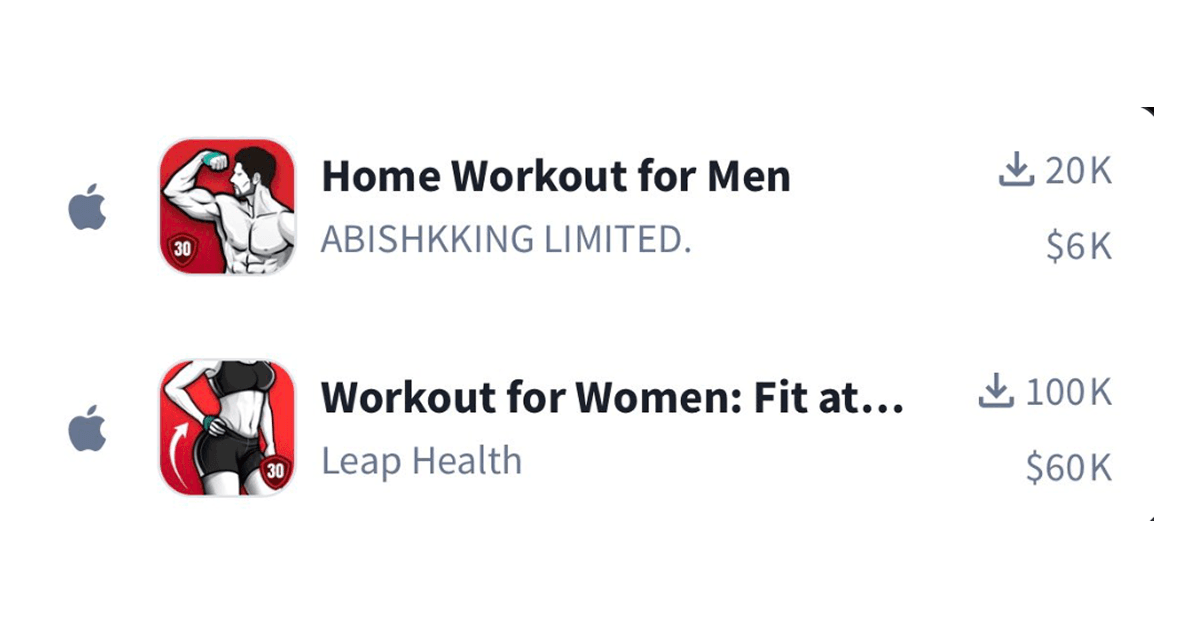
The "Pink" Strategy: Why Building Apps for Women is the Cheat Code of 2026
Men want free tools. Women pay for value. Here's the data-backed strategy indie hackers are using to 10x revenue by pivoting from "generic" to "female-focused."
![Why Every Successful App Has a Mascot Now [2026 Guide to Character-Driven Design]](/_next/image?url=https%3A%2F%2Fimages.unsplash.com%2Fphoto-1551651653-c5186a1fbba2%3Fw%3D1200%26h%3D630%26fit%3Dcrop&w=3840&q=75)
Why Every Successful App Has a Mascot Now [2026 Guide to Character-Driven Design]
Mascots are taking over top-grossing apps. Here's why character-driven design converts better and how to add one to your product.
IndieRadar Team
Daily newsletter for indie hackers. We analyze 10,000+ tweets and deliver the signal.
Read Next
The Multi-Product Playbook: How to Build a Portfolio of Apps That Print Money [2026 Guide]
Stop betting everything on one app. Here's the step-by-step playbook for building a portfolio of small software products that cross-sell and compound.
Read articleProfitable AI Micro-SaaS Ideas in 2026: Stop Building ChatGPT Wrappers
The market for generic AI tools is dead. Here’s how indie hackers can print money in 2026 by targeting hyper-specific niches, plus 5 actionable ideas you can launch this weekend.
Read articleHow to Secure AI Generated Code: 5-Step Playbook for Solo Devs [2026]
AI coding agents help you ship faster, but they also write vulnerable code. Here is the exact 5-step playbook to secure AI generated code before you launch.
Read article