
Why Every Successful App Has a Mascot Now [2026 Guide to Character-Driven Design]
![Why Every Successful App Has a Mascot Now [2026 Guide to Character-Driven Design]](/_next/image?url=https%3A%2F%2Fimages.unsplash.com%2Fphoto-1551651653-c5186a1fbba2%3Fw%3D1200%26h%3D630%26fit%3Dcrop&w=3840&q=75)
Why Every Successful App Has a Mascot Now
Open your phone. Look at the apps you actually use daily.
Notice anything? There's probably a cute owl, a friendly bird, or a quirky character staring back at you. That's not a coincidence — it's a deliberate strategy that's printing money for app developers in 2026.
Yazio, a calorie tracking app pulling $3M+ per month, recently switched to a mascot-driven design. Finch, the self-care app, built its entire experience around a virtual pet bird. Duolingo's green owl is so iconic it's become a meme.
The pattern is clear: mascots sell.
And if you're building an app, SaaS, or any digital product, ignoring this trend might be the reason your competitors are eating your lunch.
TL;DR
- Mascots create emotional connection that pure utility can't match
- Character-driven apps see higher retention and engagement rates
- You don't need a Disney-level budget — simple, consistent characters work
- The strategy: find a proven app, rebuild it with personality
- Mascots work across all categories: health, productivity, finance, education
Why Mascots Are Taking Over Your Phone
Let's be honest — most apps are boring.
Another habit tracker. Another calorie counter. Another meditation app. The features are nearly identical. The UI follows the same patterns. The value proposition sounds the same.
So how do users choose?
They choose the one that feels different. The one that doesn't feel like software. The one that feels like a companion.
That's what mascots do. They transform a tool into an experience. They give your product a face, a personality, and most importantly — an emotional anchor.
The Psychology Behind Character Attachment
Humans are wired to anthropomorphize. We see faces in clouds, personalities in cars, and friends in cartoon characters.
When an app has a mascot:
- Trust increases — Characters feel less threatening than corporate interfaces
- Guilt works — Users don't want to disappoint their virtual companion (see: Duolingo's passive-aggressive owl)
- Habits stick — The character becomes part of daily routine
- Sharing happens — People screenshot and share cute characters, not feature lists
This isn't speculation. Apps with character-driven experiences consistently report higher retention rates and lower churn than their utility-only competitors.
The Mascot Playbook: How Top Apps Use Characters
Let's break down how successful apps are deploying this strategy.
1. The Companion Model (Finch)
Finch turned self-care into a game by giving users a virtual bird to nurture. Every healthy habit you complete — drinking water, taking walks, journaling — helps your bird grow and explore new worlds.
Why it works:
- Your progress isn't just about you — it's about your bird
- Neglecting the app means neglecting your companion
- The bird's growth is a visual representation of your personal growth
This model is devastatingly effective for habit apps. The mascot becomes accountability.
2. The Coach Model (Duolingo)
Duolingo's owl isn't just cute — it's a coach, a reminder, and occasionally a guilt-trip machine.
Why it works:
- The owl celebrates your wins (dopamine hit)
- The owl notices when you miss sessions (fear of disappointment)
- The owl has become a cultural phenomenon (free marketing)
This works for education, fitness, and any app that requires consistent effort.
3. The Friendly Face Model (Yazio)
Yazio's approach is subtler. The mascot isn't the entire experience — it's the welcoming presence that makes calorie counting feel less clinical.
Why it works:
- Health apps often feel sterile and judgmental
- A friendly character softens the experience
- Users don't feel like they're using a "diet app" — they're hanging out with a companion
Pro tip: This is exactly the kind of product strategy we break down daily at IndieRadar. Real tactics from real founders building real revenue. [Subscribe below — it's free.]
The Indie Hacker Opportunity
Here's where it gets interesting for builders.
Most indie hackers compete on features. More integrations. More customization. More settings.
But users don't buy features. They buy feelings.
And the fastest way to inject feeling into a product is with a character.
The Clone-and-Upgrade Strategy
The tweet that inspired this article laid it out simply:
- Find an app with high revenue
- Rebuild it with a mascot
Brutal? Maybe. Effective? Absolutely.
Look at any category in the App Store:
- Expense tracking — mostly boring spreadsheets with UI
- Water reminders — mostly generic blue droplets
- Journaling apps — mostly minimalist text boxes
Now imagine each of these with a character companion:
- An expense app with a money-savvy fox who celebrates when you stay under budget
- A water app with a grateful plant that wilts when you forget to drink
- A journal app with an encouraging bear who reads your entries and cheers you on
Same utility. Different vibe. Higher retention.
Why Mascots Aren't "Just for Kids"
A common objection: "My app is for professionals. A mascot would be childish."
Wrong.
Slack uses custom emojis and personality throughout its interface — and it's a B2B juggernaut. Mailchimp's chimp is beloved by marketers worldwide. Even GitHub has Octocat.
The key is matching the mascot's personality to your audience:
- Finance apps for adults → Sophisticated owl or fox (wisdom, cleverness)
- Productivity tools → Energetic but focused character (robot, rocket)
- Health apps → Warm, supportive companion (bear, friendly creature)
- Developer tools → Quirky, slightly nerdy mascot (think cute robot or alien)
It's not about being cute. It's about being memorable.
How to Add a Mascot to Your App (Without Hiring Pixar)
You don't need a $100K character design budget. Here's how indie hackers are doing it:
Step 1: Define Your Character's Personality
Before you draw anything, answer these questions:
- What emotion should users feel when they see the mascot? (Motivated? Calm? Amused?)
- What's the character's role? (Coach? Companion? Cheerleader?)
- How does it react to user behavior? (Celebrates wins? Gentle reminders? Playful guilt?)
Write a one-paragraph bio for your mascot. Give it a name. Define its quirks.
Step 2: Start Simple
Your first mascot doesn't need to be animated or have 50 expressions.
Start with:
- One static illustration for your onboarding
- 3-5 expressions for different states (happy, encouraging, sad)
- A consistent presence in your UI (icon, loading screens, empty states)
You can expand later. The goal is to establish the character's presence.
Step 3: Choose Your Design Approach
Option A: AI-Generated Characters
Modern AI tools can generate consistent character designs. Create a detailed prompt, generate variations, and refine until you have something unique.
Option B: Freelance Illustrators
Platforms like Fiverr or 99designs can produce character packs for $100-500. Brief them with your personality document and examples of styles you like.
Option C: DIY with Simple Shapes
Some of the most iconic mascots are geometrically simple. Think Reddit's Snoo or GitHub's Octocat. You can create these with basic design tools.
Step 4: Integrate Thoughtfully
Where to place your mascot:
| Location | Purpose |
|---|---|
| Onboarding | First impression, set the tone |
| Empty states | Make "nothing here" feel friendly |
| Loading screens | Reduce perceived wait time |
| Achievement moments | Celebrate with the user |
| Reminders/Notifications | Gentle nudges feel less spammy |
| Error pages | Soften frustration |
Step 5: Let It Evolve
Your mascot should grow with your product. Users will tell you what they love about it. Listen and double down.
Mascot Mistakes to Avoid
Not all character strategies succeed. Here's what kills mascot effectiveness:
1. Inconsistency
Your character should look and feel the same everywhere — app, website, emails, social media. Inconsistency breaks the illusion.
2. Forced Personality
Don't make your mascot annoying. The Duolingo owl gets away with aggressive reminders because it's earned affection first. You haven't. Start friendly.
3. Ignoring Your Audience
A cutesy mascot in a trading app for day traders will feel patronizing. Match the energy.
4. Style Over Substance
A mascot can't save a broken product. Make sure your app delivers value first. The character amplifies — it doesn't replace.
5. Abandoning It
If you add a mascot, commit. Half-implementing it (character on the homepage, nowhere else) feels unfinished and weird.
The Business Case: Mascots and Monetization
Beyond retention, mascots create direct revenue opportunities:
- Merch — Successful mascots become merchandise (Duolingo owl plushies, anyone?)
- Premium character features — Sell outfit customization, alternative color schemes
- Social stickiness — Shareable character moments = free user-generated marketing
- Premium tiers — "Unlock advanced reactions from your companion"
Finch reportedly has users paying premium specifically to unlock more interactions and accessories for their virtual bird.
Characters don't just improve retention — they monetize.
FAQ
Do mascots work for B2B products?
Yes, but with different execution. B2B mascots should feel professional but personable. Think clever robot over cartoon puppy. Slack, Mailchimp, and DigitalOcean all use characters effectively in B2B contexts.
How much does a mascot design cost?
Anywhere from $0 (AI-generated or DIY) to $50,000+ (custom illustration with full animation). Most indie hackers can get a solid character started for $200-500 with freelance illustrators.
Can I add a mascot to an existing app?
Absolutely. Yazio added theirs after years of operation. Introduce the character gradually — onboarding first, then expand throughout the app. Frame it as "meet your new companion" rather than a jarring redesign.
What if users don't like the mascot?
Test before full rollout. Show designs to existing users. Get feedback. If you consistently hear negative reactions, your character might need adjustment — or you might be targeting the wrong audience. That said, loud initial resistance often fades once users live with the character.
Do mascots work for web apps or just mobile?
They work for both. Web apps can use mascots in the same touchpoints — onboarding, empty states, loading, achievements. The principles are identical.
The Bottom Line
Here's the uncomfortable truth: Your competitors are almost certainly building the same features you are.
Same database. Same integrations. Same UI patterns.
The difference between a $1K/month app and a $100K/month app often isn't functionality — it's feeling.
Mascots are one of the most underutilized tools for creating that feeling. They transform forgettable software into memorable companions. They make users smile instead of tolerate. They turn daily chores into daily rituals.
And they're not just for kids' apps anymore. They're being deployed by serious founders building serious revenue.
The question isn't "should I add a mascot?"
The question is "what's mine going to be?"
Ready to Build Smarter?
That's it. Mascots aren't a gimmick — they're a competitive advantage hiding in plain sight.
If you want more product tactics like this — real strategies from founders shipping real revenue — we cover this daily.
Join 10,000+ indie hackers at IndieRadar. It's free. →
More in SaaS Tactics Series
Don't miss these related deep dives.
![The TikTok Method: How to Find Viral App Ideas Every Day [2026 Guide]](/_next/image?url=https%3A%2F%2Fvspskxbwtvwkwolfsiil.supabase.co%2Fstorage%2Fv1%2Fobject%2Fpublic%2Fposts_cover_images%2FTwitter%2520post%2520-%252026.png&w=3840&q=75)
The TikTok Method: How to Find Viral App Ideas Every Day [2026 Guide]
Stop overthinking app ideas. Use TikTok trends, search insights, and competitor analysis to find validated ideas daily.
![How to Build an AI Micro-SaaS for "Meeting Fatigue" in 2026 [Playbook]](/_next/image?url=https%3A%2F%2Fimages.unsplash.com%2Fphoto-1517048676732-d65bc937f952%3Fw%3D1200%26h%3D630%26fit%3Dcrop&w=3840&q=75)
How to Build an AI Micro-SaaS for "Meeting Fatigue" in 2026 [Playbook]
Synchronous meetings are killing productivity. Here is the exact blueprint to build, launch, and scale an AI micro-SaaS that cures meeting fatigue for remote teams.
![How to Secure AI Generated Code: 5-Step Playbook for Solo Devs [2026]](/_next/image?url=https%3A%2F%2Fimages.unsplash.com%2Fphoto-1526374965328-7f61d4dc18c5%3Fw%3D1200%26h%3D630%26fit%3Dcrop&w=3840&q=75)
How to Secure AI Generated Code: 5-Step Playbook for Solo Devs [2026]
AI coding agents help you ship faster, but they also write vulnerable code. Here is the exact 5-step playbook to secure AI generated code before you launch.

Profitable AI Micro-SaaS Ideas in 2026: Stop Building ChatGPT Wrappers
The market for generic AI tools is dead. Here’s how indie hackers can print money in 2026 by targeting hyper-specific niches, plus 5 actionable ideas you can launch this weekend.

If I Had to Start a SaaS From Scratch in 2026: A Blueprint for Indie Hackers
The exact 6-step game plan to start a SaaS from zero in 2026. Stop building first. Start with the audience, build a 7-day MVP, and launch small.
![The Multi-Product Playbook: How to Build a Portfolio of Apps That Print Money [2026 Guide]](/_next/image?url=https%3A%2F%2Fvspskxbwtvwkwolfsiil.supabase.co%2Fstorage%2Fv1%2Fobject%2Fpublic%2Fposts_cover_images%2FTwitter%2520post%2520-%252031.png&w=3840&q=75)
The Multi-Product Playbook: How to Build a Portfolio of Apps That Print Money [2026 Guide]
Stop betting everything on one app. Here's the step-by-step playbook for building a portfolio of small software products that cross-sell and compound.
![GEO for SaaS: The 5-Minute Playbook to Get AI to Recommend Your Product [2026 Guide]](/_next/image?url=https%3A%2F%2Fvspskxbwtvwkwolfsiil.supabase.co%2Fstorage%2Fv1%2Fobject%2Fpublic%2Fposts_cover_images%2FTwitter%2520post%2520-%252023.png&w=3840&q=75)
GEO for SaaS: The 5-Minute Playbook to Get AI to Recommend Your Product [2026 Guide]
Learn how to optimize your SaaS for ChatGPT, Perplexity, and Claude in under 5 minutes. Copy-paste code included.
![Open Source Marketing Playbook for Indie Hackers [2026 Guide]](/_next/image?url=https%3A%2F%2Fvspskxbwtvwkwolfsiil.supabase.co%2Fstorage%2Fv1%2Fobject%2Fpublic%2Fposts_cover_images%2FTwitter%2520post%2520-%252018.png&w=3840&q=75)
Open Source Marketing Playbook for Indie Hackers [2026 Guide]
Open source is the best free marketing channel for bootstrapped founders in 2026. Here's the full playbook to turn GitHub into a growth engine.
![The 2-Hour Daily Routine That Beats Building More Features [2026 Indie Hacker Playbook]](/_next/image?url=https%3A%2F%2Fvspskxbwtvwkwolfsiil.supabase.co%2Fstorage%2Fv1%2Fobject%2Fpublic%2Fposts_cover_images%2FTwitter%2520post%2520-%252017v2.png&w=3840&q=75)
The 2-Hour Daily Routine That Beats Building More Features [2026 Indie Hacker Playbook]
Stop hiding behind code. Here's the exact 2-hour daily routine that scales SaaS faster than any feature ever will.
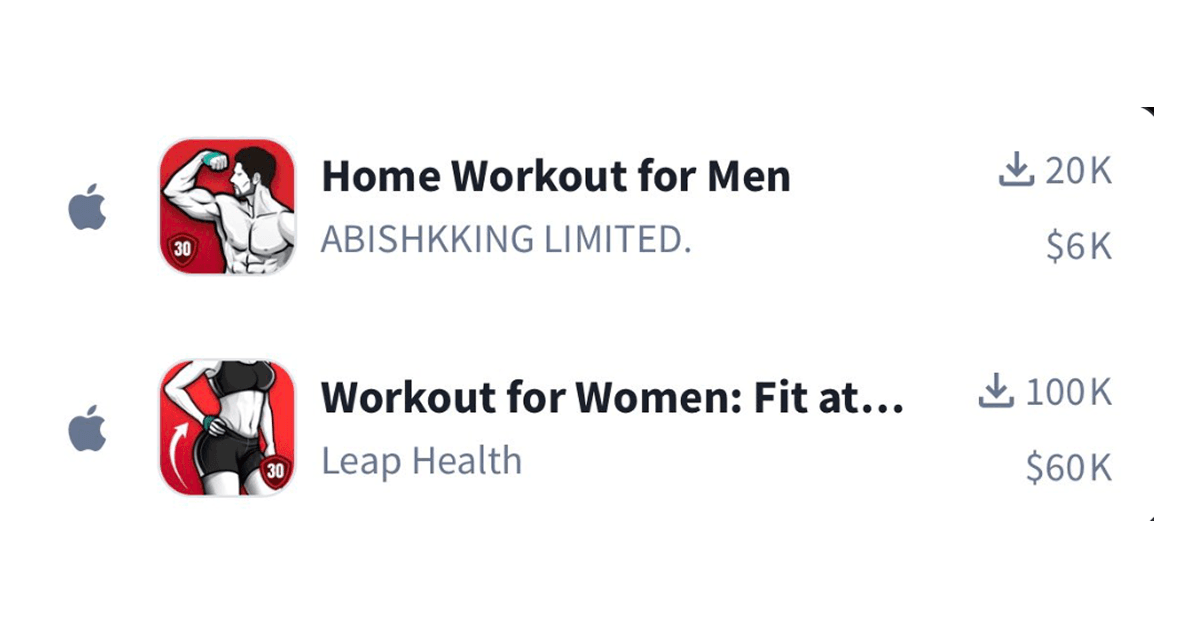
The "Pink" Strategy: Why Building Apps for Women is the Cheat Code of 2026
Men want free tools. Women pay for value. Here's the data-backed strategy indie hackers are using to 10x revenue by pivoting from "generic" to "female-focused."
IndieRadar Team
Daily newsletter for indie hackers. We analyze 10,000+ tweets and deliver the signal.
Read Next
The Multi-Product Playbook: How to Build a Portfolio of Apps That Print Money [2026 Guide]
Stop betting everything on one app. Here's the step-by-step playbook for building a portfolio of small software products that cross-sell and compound.
Read articleIf I Had to Start a SaaS From Scratch in 2026: A Blueprint for Indie Hackers
The exact 6-step game plan to start a SaaS from zero in 2026. Stop building first. Start with the audience, build a 7-day MVP, and launch small.
Read articleProfitable AI Micro-SaaS Ideas in 2026: Stop Building ChatGPT Wrappers
The market for generic AI tools is dead. Here’s how indie hackers can print money in 2026 by targeting hyper-specific niches, plus 5 actionable ideas you can launch this weekend.
Read article